Brickwork Extensions South London, What Most Builders Get Wrong
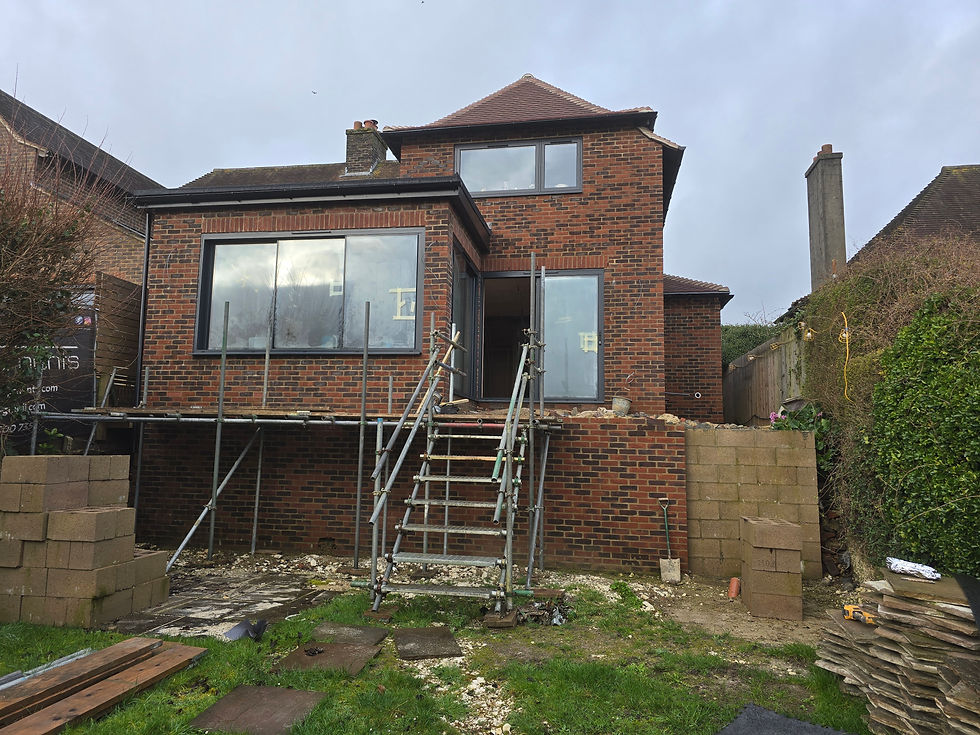
In a world of render finishes and cladding systems, brickwork has quietly become a lost art. Most builders treat it as a checkbox, something to get done fast and move on from. But if you've ever looked at a poorly matched extension or a wall that's visibly uneven from across the street, you'll know the difference between brickwork that's been done and brickwork that's been done properly.
At DAR Construction, brickwork isn't just one of our services, it's where we built our reputation. Here's what you should know before hiring anyone to lay a single brick on your property.
"Bad brickwork is visible for the lifetime of your home. Good brickwork adds value for the same amount of time."

The brick match problem
One of the biggest issues we see on extension jobs across South London is mismatched brickwork. A homeowner spends £40,000 on a rear extension, and from the garden it looks like two different houses stuck together. This happens when builders don't take the time to source the right brick, matching not just the colour, but the texture, the bond pattern, and the mortar colour too.
Before any project starts, we assess the existing brickwork on site. If we can't find a close enough match from suppliers, we'll tell you upfront and discuss alternatives like lime render or a contrasting brick that's designed to stand out intentionally rather than just look like a mistake.
Structural brickwork vs facing brickwork, know the difference
Not all brickwork is doing the same job. Structural brickwork is load-bearing, it holds up the weight of the building above it. Facing brickwork is the outer skin you actually see. Both require skill, but structural brickwork requires something more: engineering knowledge and an understanding of how forces travel through a wall.
This is where a lot of smaller builders cut corners, using the wrong brick specification for structural work, or skipping the wall ties and cavity insulation that make a cavity wall perform properly. These aren't visible problems at first. But they show up in damp patches, cold walls, and in worst cases, structural movement.
Why South London soil changes everything with Brickwork Extensions
London clay is notoriously problematic for groundwork and foundations. It expands when wet and contracts when dry, which means the ground beneath your extension is constantly moving, just slowly. Brickwork that isn't built on the right foundation depth for our area will crack. It's not a matter of if, it's when.
DAR's team has worked across Bromley, Croydon, Lewisham, and across South East London for years. We know what the ground does here. That local knowledge isn't something you pick up overnight, it comes from doing the work, on these streets, in these conditions.
What to ask any builder before they touch your brickwork
Can you show me examples of brick-matched extensions you've completed?
What foundation depth are you specifying and why?
Who physically does the brickwork — your own bricklayers or subcontractors?
Are you FMB registered? (Federation of Master Builders membership means accountability).
What mortar mix will you use and how will you match the joint profile?
If a builder can't answer those questions confidently, that's your answer.

Thinking about an extension or brickwork project?
DAR Construction are FMB-registered builders based in South London, specialising in extensions, structural brickwork, new builds, and groundworks. We offer free no-obligation quotes.
Comments